
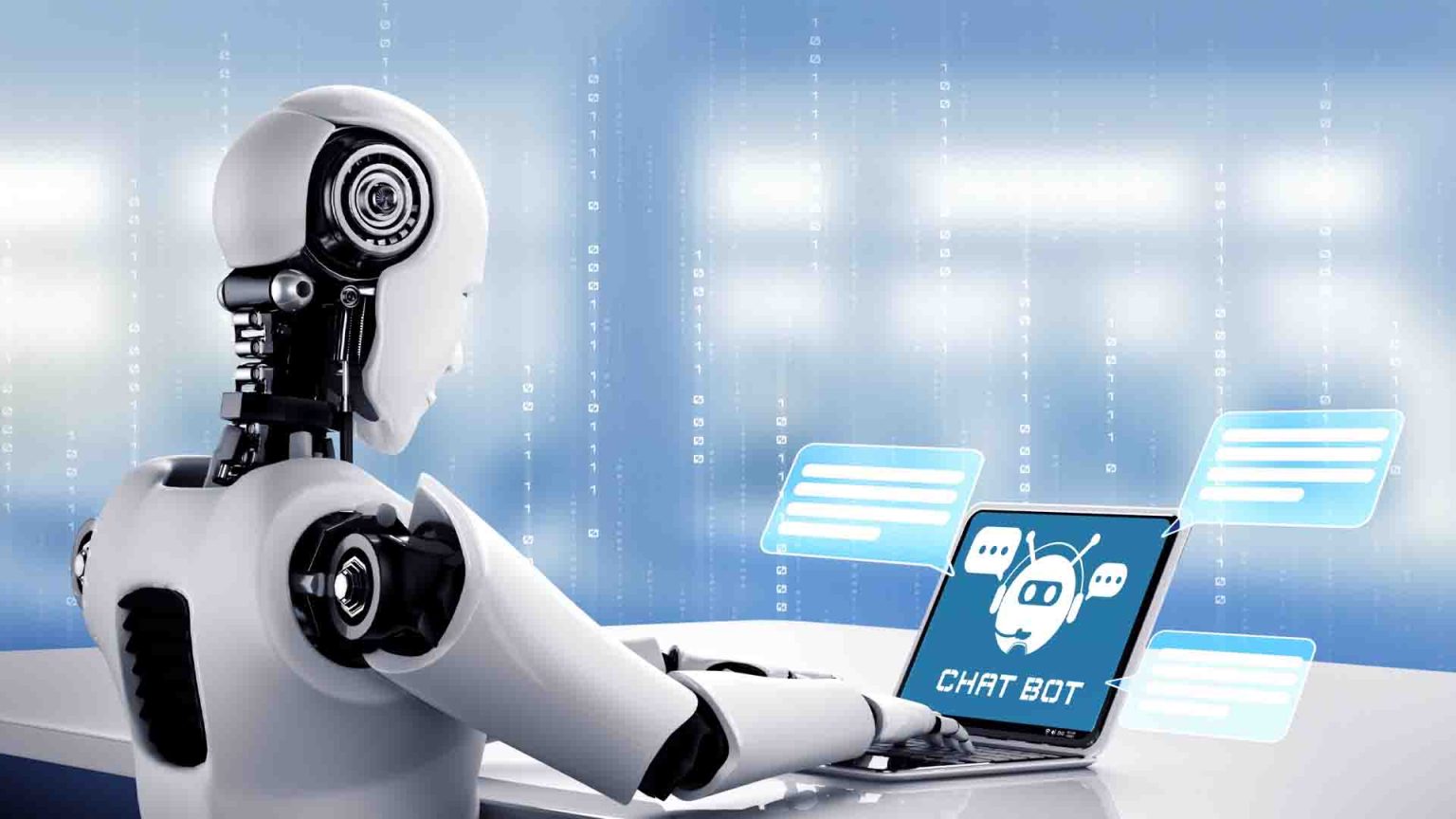
Enhancing Customer Support with AI: Avoiding the Looping Chatbot Problem
Artificial Intelligence (AI) has emerged as a game-changer, offering innovative solutions to enhance customer experience and improve software development. However, one of the customers’ most common frustrations is dealing with chatbots that keep them in an endless loop without addressing their needs. This issue not only leads to dissatisfaction, but can also harm a brand’s reputation. In this article, I explore enhancing customer support with AI to avoid this problem and provide a seamless, satisfying customer experience.
Understanding the Looping Chatbot Problem
Before diving into solutions, it’s essential to understand why chatbots sometimes fall into looping behavior:
Limited Understanding: Many chatbots have a restricted understanding of language and context, causing them to misinterpret queries and provide repetitive, irrelevant responses.
Scripted Responses: Relying too heavily on pre-programmed scripts can result in a lack of flexibility, making it difficult for chatbots to handle unexpected questions or complex issues, provide irrelevant responses, and repeat the same answers without resolution.
Insufficient Data: Inadequate training data can limit a chatbot’s ability to learn and adapt, leading to poor performance in real-world scenarios.
Lack of human intuition and empathy: Chatbots designed without considering user experience can fail to address the customer’s actual needs, focusing instead on keeping the conversation going.

Strategies to Avoid the Looping Issue
To prevent chatbots from looping and improve customer satisfaction, consider the following strategies:
Intent Recognition and Contextual Understanding: Implementing Natural Language Processing (NLP) enables chatbots to understand and interpret human language more accurately. By integrating advanced NLP algorithms, chatbots can grasp the context and nuances of customer queries, reducing the chances of misinterpretation and repetitive responses.
Use Machine Learning for Continuous Improvement: Machine learning allows chatbots to learn from interactions and improve over time. Chatbots can identify common issues by analyzing past conversations, refining their responses, and adapting to new situations, ensuring they remain practical and relevant.
Develop a Robust Knowledge Base: A comprehensive and up-to-date knowledge base is crucial for chatbot performance. Ensure your chatbot can access extensive information about your products, services, and typical customer issues. Regularly update this knowledge base to reflect changes and new information.
Design for Flexibility and Escalation: Design chatbots with flexibility in mind, allowing them to handle a wide range of queries. Additionally, ensure clear escalation paths for situations the chatbot cannot resolve. This means integrating options for human intervention, where customers can be seamlessly transferred to a human agent when necessary.
Keep Human in the Loop: Implement hybrid models where AI handles initial support and human agents intervene when necessary. Regularly collect and analyze user feedback to identify pain points and areas for improvement. Use this feedback to refine chatbot interactions and address issues that may cause looping or customer frustration.
Personalize Interactions: Personalization can significantly enhance the customer experience. By leveraging customer data, chatbots can provide tailored responses relevant to the individual, making the interaction more meaningful and effective.
Best Practices for Implementing Customer Support with AI
To maximize the benefits of customer support with AI and avoid common pitfalls, consider the following best practices:
- Start Small: Begin with a pilot project to test and refine your chatbot before a full-scale rollout.
- Monitor Performance: Continuously monitor chatbot performance and user interactions to identify issues and areas for improvement.
- Train Regularly: Regularly train your chatbot with new data to ensure it stays current and effective.
- Provide Clear Instructions: Ensure that customers understand how to interact with the chatbot and what to expect from the conversation.
- Balance Automation with Human Touch: While automation can handle many tasks, the human touch is still vital for complex or sensitive issues.
Conclusion
Customer support with AI have the potential to provide fast, efficient, and accurate assistance. However, to avoid the frustration of looping chatbots, it is crucial to implement advanced technologies like NLP, machine learning, and robust knowledge bases. By designing flexible, personalized, and user-centric chatbot interactions, businesses can ensure a seamless customer experience that enhances satisfaction and loyalty. Embracing these strategies will help transform chatbots from a source of frustration into a valuable asset in the customer support toolkit.
I hope this article about Customer Support with AI has been helpful to you. If you liked it or want to learn more about Deproinf, please subscribe to stay updated.
Subscribe to DeproinfIf you have specific needs, please GIVE US YOUR INFORMATION and we will contact you as soon as possible.
