
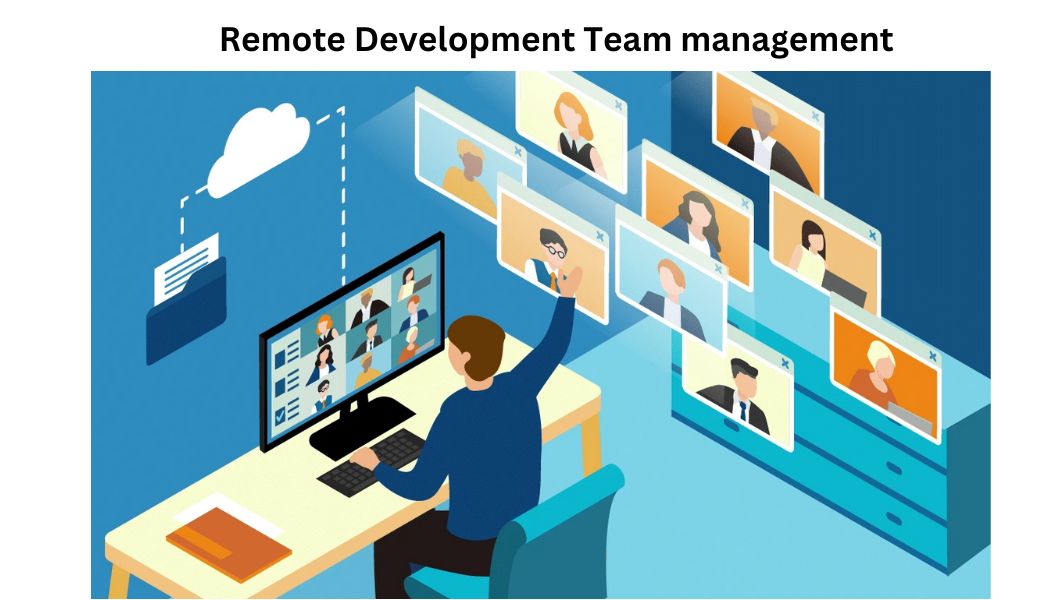
Strategies and Best Practices for Managing Remote Development Teams
In our recent article on Hybrid Work Environment, we concluded that remote development teams have become increasingly common, offering flexibility and access to a wider talent pool. However, managing a team scattered across locations requires a different approach than a traditional office setting. In this article, I explore key strategies to ensure your remote development teams success.
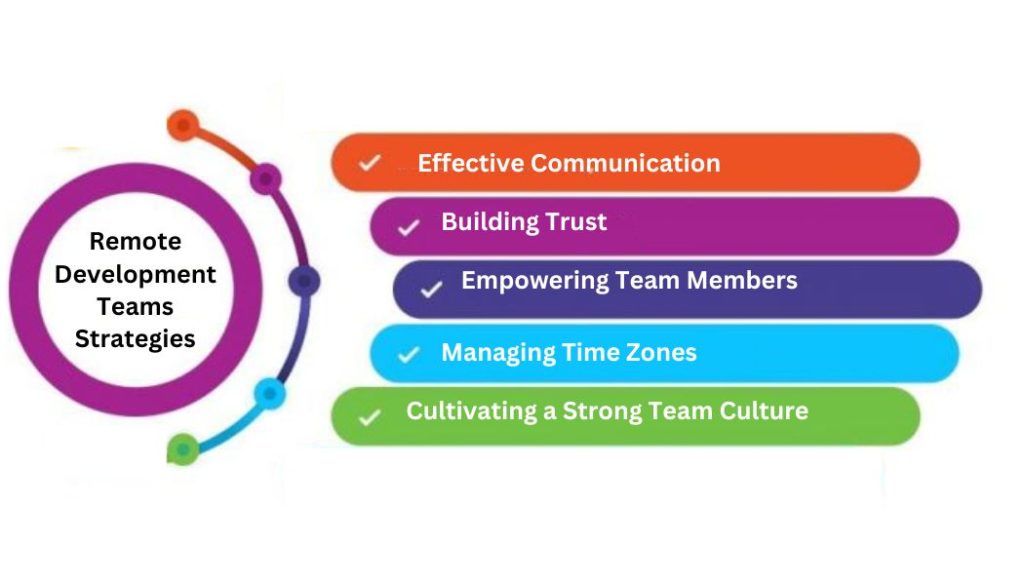
Remote Development Teams Strategies
Effective Communication
Communication is the cornerstone of the successful management of remote development teams. Establishing clear communication channels is essential for ensuring that team members stay connected and informed. Tools like Slack, Microsoft Teams, or Discord can facilitate real-time communication, while project management tools like Asana, Trello, or Jira can help keep track of tasks and deadlines.
Regular check-ins, both one-on-one and team-wide, are crucial for maintaining alignment and addressing any issues that might arise. Video calls can help foster a sense of connection and reduce the likelihood of miscommunication in text-based communication.
Building Trust
Building trust is essential for any team, but it is especially important for remote teams, where face-to-face interactions are limited. Trust can be fostered by setting clear expectations, providing regular feedback, and recognizing and rewarding team members for their contributions.
Encouraging a culture of transparency and openness can also help build trust among team members. When team members feel comfortable sharing their thoughts and ideas collaboration and innovation are more likely to flourish.
Empowering Team Members
Empowering team members to take ownership of their work is key to a remote team’s success. Providing autonomy allows team members to work in a way that suits their individual preferences and strengths, leading to increased motivation and productivity.
Setting clear goals and expectations is essential for empowering team members. When team members understand what is expected of them and why their work matters, they are more likely to take ownership of their work and strive for excellence.
Managing Time Zones
One of the biggest challenges of managing remote teams is dealing with different time zones. It’s important to be mindful of time zone differences when scheduling meetings and setting deadlines. Using tools that allow for asynchronous communication can help bridge the gap and ensure that team members can collaborate effectively regardless of their location.
Cultivating a Strong Team Culture
Remote teams can still cultivate a strong team culture despite being physically dispersed. Encouraging team bonding activities, such as virtual team building, exercises, or informal chat channels, can help foster a sense of camaraderie among team members.
Celebrating successes, whether big or small, is also important for building a positive team culture. Recognizing and celebrating achievements helps boost morale and reinforces the value of teamwork.
The figure below summarizes the recommended strategies.
Conclusion
Managing remote development teams comes with its own set of challenges, but with the right strategies in place, it can lead to a highly productive and engaged team. Effective communication, building trust, empowering team members, managing time zones, and cultivating a strong team culture are all essential components of successful remote team management. By prioritizing these aspects, managers can navigate the complexities of remote work and set their teams up for success.
I hope this article has been helpful to you. If you liked it or want to learn more about Deproinf, please subscribe to stay updated.
If you have specific needs please GIVE US YOUR INFORMATION and we will contact you as soon as possible.
