
The Significance of CI/CD Pipelines in Modern Software Development
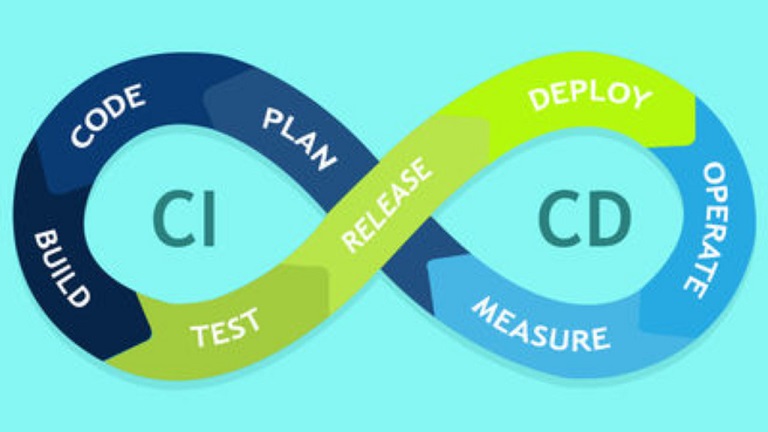
CI/CD pipelines have revolutionized the way software is developed, tested, and deployed, offering a streamlined approach that significantly contributes to faster and more reliable software releases. In this article, I explore the significance of CI/CD pipelines, their role in software development, and how they contribute to achieving these crucial goals.
The Evolution of Software Development
Traditionally, software development followed a waterfall model, with distinct phases such as requirements gathering, design, development, testing, and deployment. Each phase had its own set of challenges and bottlenecks. Testing, for instance, was often delayed until the development phase was complete, leading to the discovery of critical issues late in the process, resulting in costly and time-consuming rework.
With the advent of agile methodologies, developers began to iterate more rapidly, but the integration and deployment processes remained largely manual, leading to inconsistencies and inefficiencies. CI / CD pipelines emerged as a solution to address these shortcomings.
What are CI/CD Pipelines?
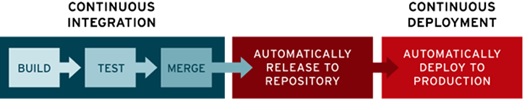
Continuous Integration (CI) and Continuous Deployment (CD) are complementary practices that together form pipelines:
Continuous Integration (CI): CI focuses on integrating code changes into a shared repository frequently, usually multiple times a day. Each integration triggers an automated build and testing process to ensure that new code changes do not break existing functionality. If issues are detected, developers can address them immediately, reducing the likelihood of bugs accumulating over time.
Continuous Deployment (CD): CD takes CI a step further by automating the deployment process. It ensures that code changes that pass the CI tests, are automatically deployed to production or staging environments. This automation significantly reduces the manual effort required for deployment and minimizes the risk of human errors.
The Significance of CI/CD Pipelines
Speed and Efficiency:
- CI / CD pipelines enable developers to deliver code changes rapidly, fostering a culture of continuous improvement and innovation.
- Automated testing and deployment reduce the time spent on manual tasks, accelerating the development process.
Reliability and Quality:
- Frequent integration and automated testing catch bugs early in the development cycle, making it easier and less costly to fix them.
- CD ensures that only code changes that pass all tests are deployed, minimizing the risk of introducing defects into production.
Collaboration and Transparency:
- CI/CD encourages collaboration among development, testing, and operations teams by providing a shared platform for code integration and deployment.
- Transparency is improved as all team members have access to the pipeline’s status, making it easier to track progress and identify issues.
Risk Reduction:
- By automating repetitive tasks and standardizing deployment procedures, CI/CD pipelines reduce the risk of human errors, which can lead to costly downtime and security vulnerabilities.
Rapid Feedback:
- Developers receive immediate feedback on the quality of their code changes, allowing them to address issues promptly and maintain code quality.
Conclusion
CI/CD pipelines have become an indispensable part of modern software development, offering numerous advantages that help organizations stay competitive Embracing CI/CD pipelines not only results in faster and more reliable software releases but also empowers development teams to continuously innovate and adapt to changing requirements, ensuring long-term success in the world of software development.
I hope this article has been helpful to you. If you liked it, please subscribe to stay updated.
Subscribe to DeproinfIf you have specific needs or want to learn more about how Deproinf can help in your development projects, please GIVE US YOUR INFORMATION and we will contact you as soon as possible.
