
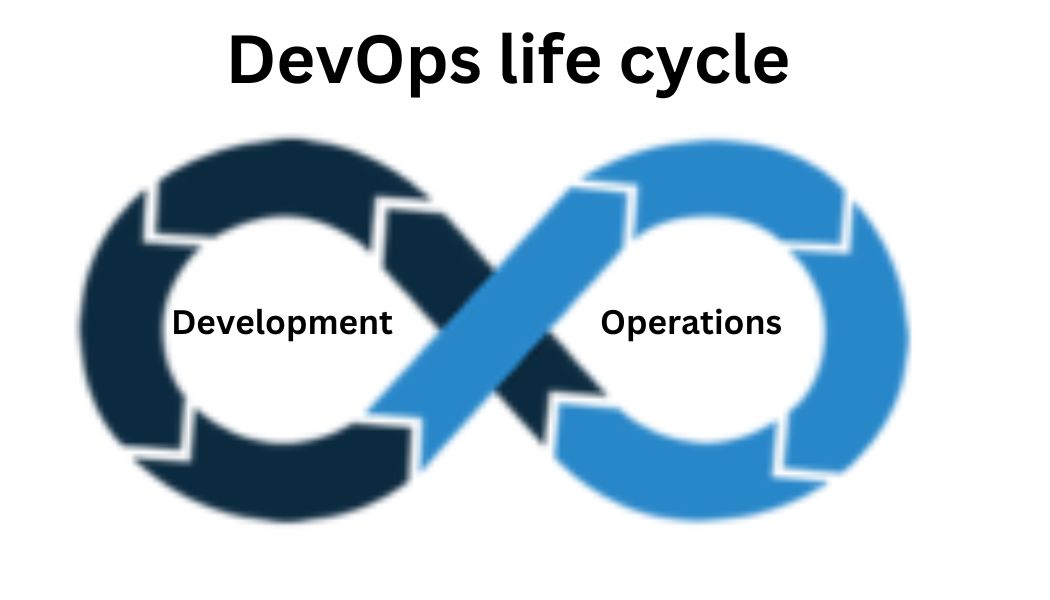
DevOps life cycle: Revolutionizing Software Development and Operations
The DevOps life cycle has emerged as a transformative approach in the software development and operations industry. By integrating development and operations teams and fostering collaboration, automation, and continuous delivery, DevOps enables organizations to deliver high-quality software products efficiently and at an accelerated pace. This article explores the DevOps life cycle, and its benefits.
What is DevOps?
DevOps is a cultural and technical movement that emphasizes collaboration, communication, and integration between software development and operations teams. It aims to break down traditional silos and enable cross-functional collaboration throughout the software delivery process. DevOps encompasses practices, tools, and philosophies that promote automation, continuous integration, continuous delivery (CI/CD), and a feedback-driven approach to software development and operations.
Difference with Agile Methodology
While DevOps and Agile share the common goals of collaboration and iterative development, they focus on different aspects of the software delivery process. Agile primarily concentrates on the development process as such, promoting flexibility, customer collaboration, and incremental delivery. DevOps extends Agile principles to encompass the entire software life cycle, including development, deployment, and ongoing operations. DevOps emphasizes automation, continuous integration, and delivery to ensure faster, more reliable software releases, while Agile focuses on adaptive development practices and customer-centricity.
DevOps Life Cycle
The DevOps life cycle consists of a series of interconnected stages that facilitate the seamless integration of development, testing, deployment, and operations. While specific implementations may vary, the stages in the DevOps life cycle include:
- Plan: Define goals, requirements, and priorities for software development, aligning them with business objectives.
- Develop: Write, test, and integrate code collaboratively using agile methodologies and version control systems to ensure a stable and evolving codebase.
- Build: Automate the building and packaging of code into a deployable format, ensuring consistency and reproducibility.
- Test: Employ automated testing practices to validate the software’s functionality, performance, and reliability throughout the development process.
- Deploy: Automate the deployment process, leveraging CI/CD pipelines to enable the efficient release of software to production environments.
- Operate: Continuously monitor and manage the software in production, ensuring stability, performance, and prompt issue resolution.
- Monitor: Utilize monitoring and observability tools to gather real-time insights into system performance, user experience, and application behavior, enabling proactive improvements.
Benefits of DevOps
Adopting DevOps life cycle and practices has multiple benefits in terms of time, cost and quality of software developments. These are some of them.
DevOps life cycle tools
While there is no one-size-fits-all set of standard DevOps tools, several popular tools and technologies are commonly used to enforce the DevOps life cycle stages. These tools help automate processes, enable collaboration, and facilitate the implementation of DevOps principles. Here are some examples of widely used DevOps tools:
- Jira for development and collaboration
- Git (GitLab and GitHub) for version control, collaboration and integration
- Slack for monitoring
- Puppet and Chef for configuration management
I hope this article on has been helpful to you. If you liked it or want to learn more about Deproinf, please subscribe to stay updated.
Subscribe to DeproinfIf you have specific needs please GIVE US YOUR INFORMATION and we will contact you as soon as possible.
