
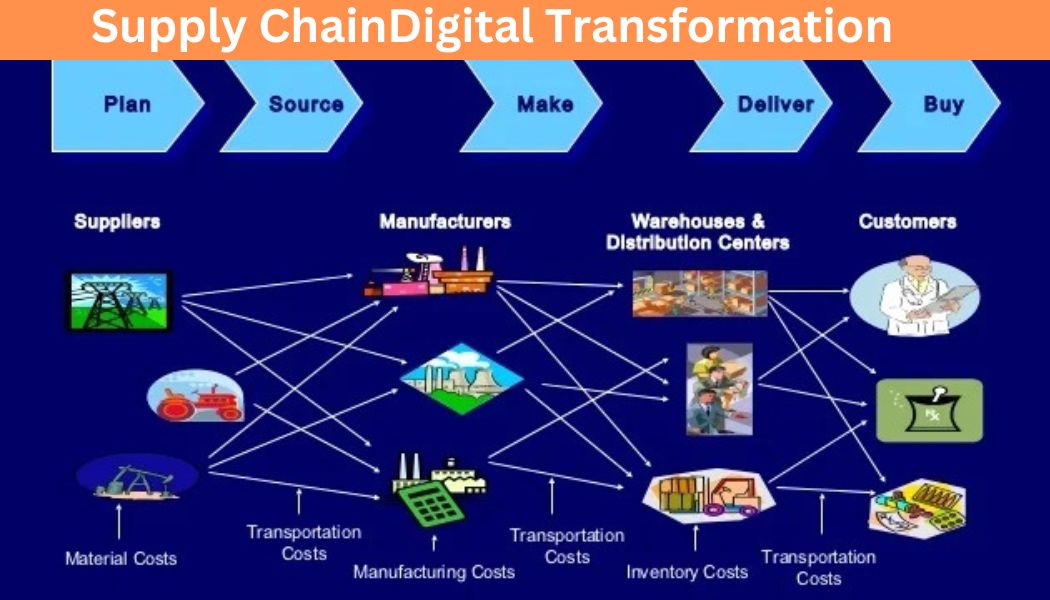
Supply Chain Digital Transformation: Impacts and Benefits
In Basic steps to achieve a successful digital transformation, I concluded that integrating digital tools and strategies has enabled organizations to enhance operational efficiency, improve customer satisfaction, and gain a competitive edge. This article explores the profound impact of supply chain digital transformation management and the benefits it brings to businesses.
Why adopting Supply Chain Digital Transformation
Supply chain digital transformation is becoming a trend in the industry. Here are some statistics on Digital Transformation in Supply Chain.
- Around 80% of supply chain professionals believe that digital transformation will be critical to their organization’s success in the next five years (MHI and Deloitte survey).
- 70% of organizations have either implemented or were in the process of implementing digital supply chain initiatives (Capgemini study).
- Companies investing in digital supply chain capabilities experienced an average 6% increase in annual revenue and a 5% reduction in operational costs (Capgemini study).
- The adoption of digital technologies in the supply chain could lead to a 20% increase in operational efficiency and a 50% reduction in supply chain costs (McKinsey).
Benefits of adopting supply chain digital transformation
Implementing digital transformation in a supply chain business offers numerous benefits. Here are some key advantages that arise from embracing digital technologies:
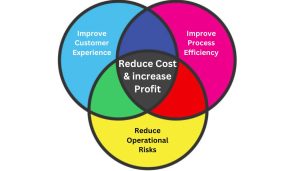
Improve customer experience: Digital supply chains are customer oriented, allowing a better understanding of customer needs and preferences. By leveraging digital technologies, companies can gather and analyze customer data, enabling them to make informed decisions and implement strategies that enhance the overall customer experience.
Improve process efficiency: Digital supply chains eliminate manual and paper-based processes prone to errors and delays. Instead, digital tools and automation streamline supply chain operations, eliminating the need for manual data entry and facilitating seamless communication and collaboration among stakeholders. Real-time access to relevant information enables process improvements, efficient resource allocation, and optimized decision-making.
Reduce operational risks: With real-time and shared quality and control data, organizations can identify potential issues early on and take swift actions to prevent them from escalating. This proactive approach minimizes disruptions, enhances supply chain resilience, and ensures efficient operations.
Cost Reduction and Accelerated Innovation: Implementing a digital supply chain decreases costs and increased innovation. Real-time data optimize inventory management, operational logistics, and resource planning. These optimizations result in improved cash flow, reduced costs, and enhanced profitability. Furthermore, improved information sharing and collaboration provide opportunities to identify bottlenecks, expedite time-to-market, foster innovation, and maximize returns on investment.
The bottom line of digital transformation in the supply chain is increased profits as illustrated in the graphic below.
A supply chain digital transformation case study: Maersk
One prominent example of a supply chain company that embraced digital transformation is Maersk, a global leader in shipping and logistics. Maersk implemented a digital transformation initiative called “Digital Maersk,” which focused on leveraging data and technology to enhance transparency, efficiency, and collaboration. Here are a few key aspects of Maersk’s digital transformation journey:
- Maersk introduced a digital platform called “Maersk Line Spot” that allows customers to book and track shipments in real-time. This platform provides end-to-end visibility of shipments, enabling customers to monitor the status of their cargo at any point during transit.
- Maersk incorporated AI data analytics tools to gain insights into customer behavior, shipping patterns, and demand fluctuations, allowing them to optimize their routes, vessel utilization, and overall operational efficiency.
- Maersk collaborated with IBM to develop a blockchain-based platform called TradeLens. This platform enables secure and transparent sharing of supply chain information among various stakeholders, including shippers, freight forwarders, customs authorities, and port operators. The goal was to streamline documentation processes, reduce paperwork, and enhance the overall efficiency of global trade.
- Maersk has integrated IoT devices and sensors into its containers to monitor and track various parameters such as temperature, humidity, and location. This integration helps ensure that cargo remains in optimal conditions throughout the supply chain, reducing the risk of damage or spoilage.
Another case study: Tropicfeel
While Maersk is a notable example, digital transformation is not limited to large companies. Here’s an example of a smaller company that adopted digital transformation in its supply chain.
Tropicfeel, a Barcelona-based outdoor travel gear company, exemplifies how smaller companies can leverage digital transformation in supply chain management. Tropicfeel optimized their supply chain operations by adopting several digital practices:
- E-commerce and direct-to-consumer model
- Implementing cloud-based inventory management
- Utilizing data analytics for demand forecasting
- Establishing a collaborative supplier network
- Engaging customers through digital platforms.
These efforts resulted in improved inventory control, reduced costs, enhanced operational efficiency, and increased customer satisfaction, showcasing the transformative power of digital transformation even for smaller businesses.
I hope this article on has been helpful to you. If you liked it or want to learn more about Deproinf, please subscribe to stay updated.
Subscribe to DeproinfIf you have specific needs please GIVE US YOUR INFORMATION and we will contact you as soon as possible.
