
Embracing Hybrid Work Environments in the Tech Industry
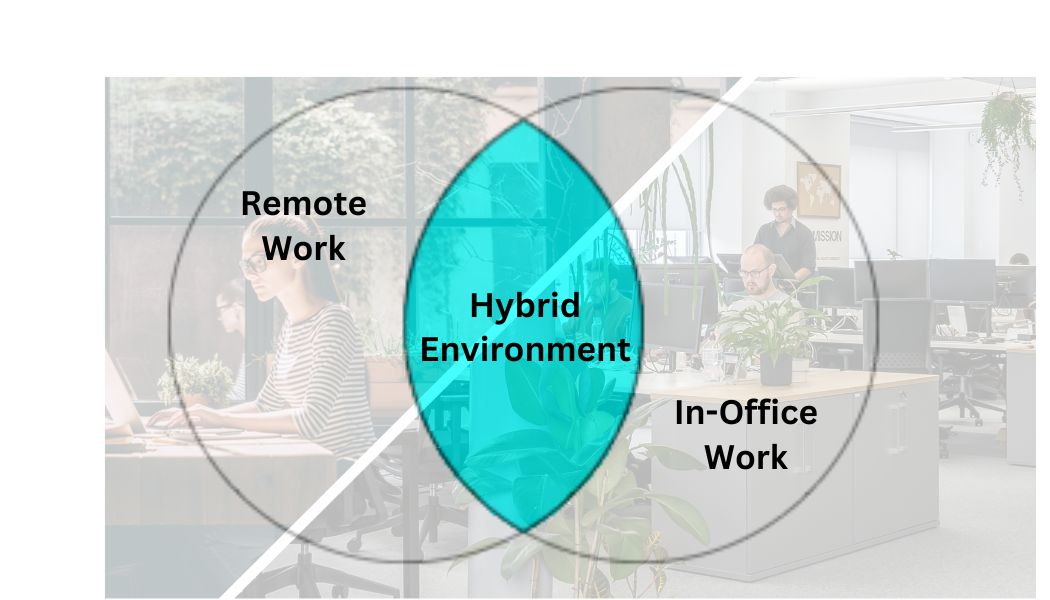
The emergence of hybrid work environments has reshaped the traditional office-based model, allowing tech companies to harness the power of flexibility, productivity, and employee satisfaction. In this article, I explore the concept of hybrid work in the tech industry, its benefits, challenges, and what the future holds.
The Rise of Hybrid Work
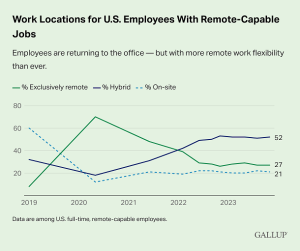
The concept of hybrid work is not entirely new, but it gained widespread attention and acceptance during the COVID-19 pandemic. As offices closed their doors, tech companies quickly adapted to remote work, proving that the industry could function effectively in a distributed environment. As restrictions eased, many tech companies recognized the potential of a hybrid model, blending remote and in-person work as reflected in a survey from Gallup.
Benefits of Hybrid Work
This is a summary of the main benefits of an Hybrid environment policy.
Flexibility: One of the primary advantages of hybrid work environments is flexibility. Tech professionals can choose when and where they work, allowing them to balance their personal and professional lives more effectively. This flexibility often leads to increased job satisfaction and retention rates.
Talent Acquisition and Retention: Offering a hybrid work model widens the talent pool for tech companies. They can hire skilled professionals from anywhere, and employees are more likely to stay with a company that values work-life balance.
Productivity: Contrary to initial skepticism, remote work has shown that employees can remain productive outside of the traditional office setting. Many tech workers report increased productivity when working remotely, free from office distractions.
Cost Savings: Companies can reduce overhead costs associated with maintaining office spaces, which can be reinvested into employee benefits, training, or research and development.
Hybrid Work and Outsourcing
The concept of hybrid work intersects with the practice of outsourcing. Outsourcing has long been a strategy employed, and offered, by tech companies to access specialized skills, reduce costs, and accelerate project timelines. With the rise of hybrid work, outsourcing has gained new momentum and significance.
Challenges and Considerations
While hybrid work environments offer numerous benefits, they also come with their fair share of challenges:
Communication: A clear and effective communication can be challenging in a hybrid model. Tech companies need to invest in robust collaboration tools and practices to ensure that teams remain connected.
Cybersecurity: With employees working from various locations, cybersecurity becomes a critical concern. Companies must implement stringent security measures to protect sensitive data.
Inclusivity: Ensuring that remote workers have the same opportunities for growth and inclusion as in-office employees can be a challenge. Companies need to foster a sense of belonging among all team members.
Mental Health: Isolation and burnout are potential risks for remote workers. Tech companies must provide resources and support to address mental health concerns.
The Future of Hybrid Work
The tech industry is likely to continue embracing hybrid work environments in the future. It is a strategic move to remain competitive in a rapidly evolving landscape. As technology continues to advance, remote work tools and practices will become even more sophisticated, making the hybrid model even more seamless.
I hope this article has been helpful to you. If you liked it, please subscribe to stay updated.
Subscribe to DeproinfIf you have specific needs or want to learn more about how Deproinf can help in your development projects, please GIVE US YOUR INFORMATION and we will contact you as soon as possible.
