
API Design and Management: Building Bridges in the Digital Ecosystem
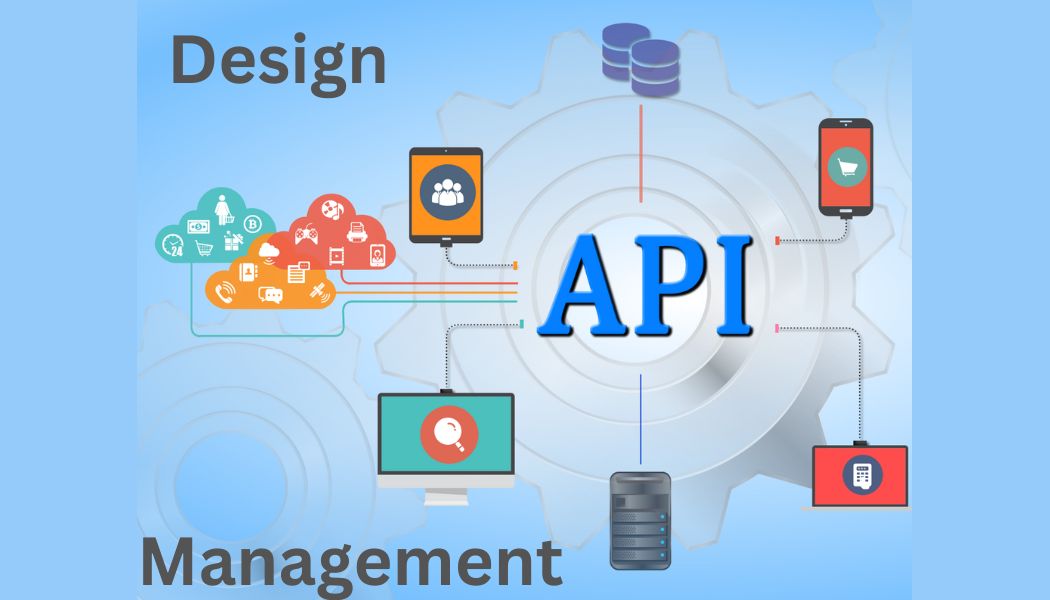
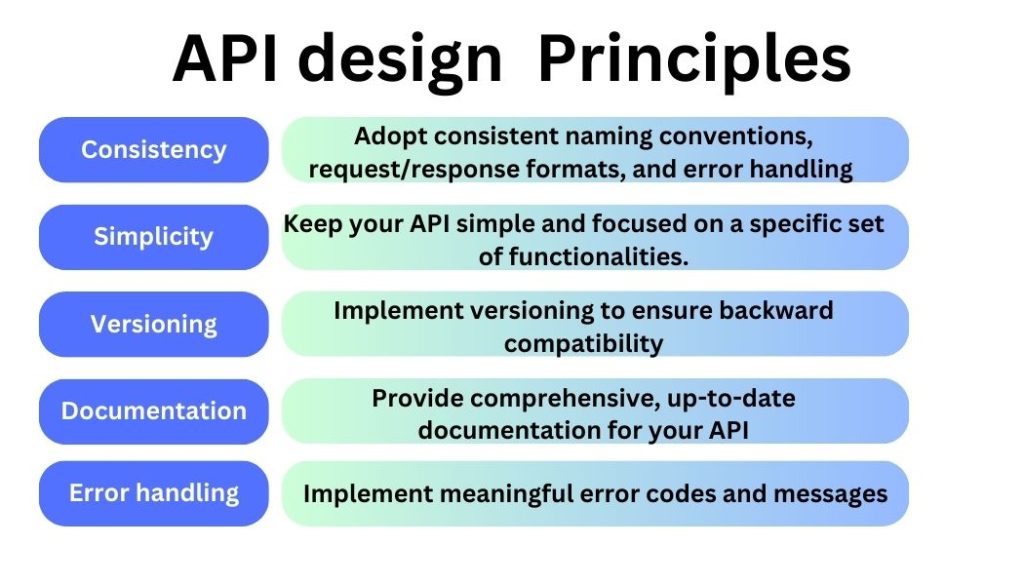
In our recent article on Microservices Architecture, we established that stable and well-documented APIs Was recommended. Application Programming Interfaces (APIs) allow different systems and applications to communicate and exchange data, enabling new and innovative features and services. Whether you are developing software for internal use or creating a product for external consumption, understanding the principles of API design and effective management is essential. In this article, I explore the fundamental principles of robust API design and strategies for their effective management in software projects.
Benefits of API design and Management
APIs act as the bridge that connects various software components, allowing them to work together and exchange information. A well-designed API offers several benefits:
Modularity and Reusability: APIs break down complex systems into manageable components that can be reused in various applications, saving development time and effort.
Interoperability: APIs enable different software systems, often from different vendors, to communicate and share data seamlessly.
Scalability: As your software grows, APIs provide a scalable architecture that can handle increased data and user loads.
Security: APIs allow you to control access to sensitive data and functions, enhancing the security by limiting exposure.
API Management Strategies
Once you have designed your API, effective management is essential for its success and scalability. Here are some strategies for managing APIs in software projects:
Authentication and Authorization: Implement secure authentication mechanisms such as API keys, OAuth, or JWT (JSON Web Tokens) to control access to your API. Define role-based authorization to restrict access to specific resources.
Traffic Monitoring: Use API gateways and monitoring tools to track traffic, detect anomalies, and troubleshoot issues in real time.
Rate Limiting and Throttling: Set limits on the number of requests a user or application can make to prevent overuse or abuse of your API.
Caching: Implement caching mechanisms to reduce the load on your servers and improve response times for frequently requested data.
Logging and Analytics: Maintain detailed logs of API requests and responses for debugging and analytics purposes. Analyze usage patterns to make informed decisions about improvements or optimizations.
Scalability: Ensure your API can scale horizontally to handle increased load. Consider auto-scaling solutions for dynamic resource allocation.
Developer Support: Provide support channels, forums, and resources for developers using your API. Address their questions and concerns promptly.
I hope this article on API design has been helpful to you. If you liked it, please subscribe to stay updated.
If you have specific needs or want to learn more about how Deproinf can help you connecting applications, please GIVE US YOUR INFORMATION and we will contact you as soon as possible.
