
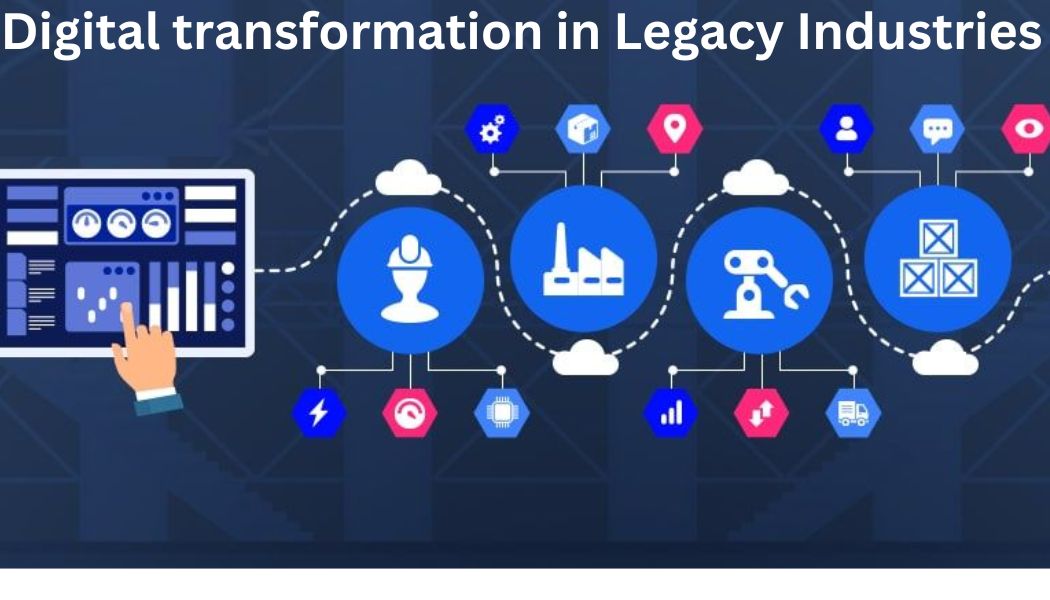
Challenges and Strategies for Digital Transformation in Legacy Industries
The winds of digital transformation are reshaping industries, propelling them into a new era of innovation and efficiency. However, for legacy industries, the time-honored sectors built on traditional practices and systems, the journey towards digital transformation is full of challenges. In this article, I explore the difficulties of digital transformation in legacy industries and the strategies they can follow for implementing it with minimum risks.
Embracing Change in Traditional Strongholds
The prospect of digital transformation for industries rutted in tradition and well-established practices, can be complicated. Whether it is manufacturing, energy, healthcare, or finance, these legacy sectors often rely on long-standing processes that have been refined over time. Digital transformation in legacy industries requires not just the adoption of new technologies but also a fundamental shift in mindset and organizational culture.
Challenges of digital transformation in legacy industries
There are many challenges that legacy industries face to go into an extensive digital transformation. In this section I illustrate and describe them.
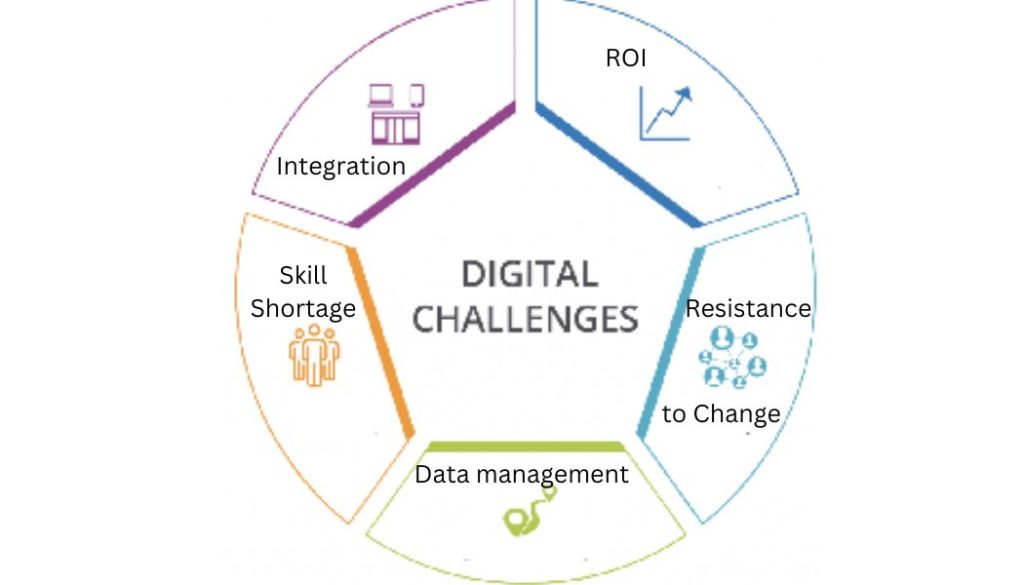
Integration with Existing Systems: One of the most significant challenges in digital transformation in legacy industries is integrating new digital technologies with existing legacy systems. These legacy systems might have been in place for decades. Retrofitting new digital tools to work with these systems can be a formidable task, requiring careful planning and execution to avoid disruption.
Data Management and Security: Legacy industries often deal with vast amounts of sensitive data. The transition to digital systems introduces concerns about data privacy, security breaches, and compliance with regulations.
Skill Shortages and Workforce Adaptation: Digital transformation requires a workforce skilled in cutting-edge technologies, data analytics, and software development. In legacy industries, where traditional skills dominate, bridging the skill gap can be a major challenge. Upskilling existing employees and recruiting new talent versed in digital tools becomes crucial, demanding investment in training and talent acquisition.
Resistance to Change: Human nature often resists change, especially in industries where processes have remained consistent for years. Employees might be accustomed to manual procedures and hesitant to embrace new digital workflows. Effective change management strategies are essential to overcome this resistance, including clear communication, employee involvement, and showcasing the benefits of digital transformation.
ROI and Long-Term Vision: Digital transformation involves significant financial investments in technology adoption, process reengineering, and workforce development. Calculating the return on investment (ROI) and defining a clear long-term vision for how these investments will drive value can be intricate, especially in legacy industries where outcomes might not be immediately evident.
Implementing Digital Transformation in Legacy Industries with Minimum Risks
Here is a list some of the strategies that has proven right for digital transformation in legacy industries.
- Start Small, Scale Gradually: Begin with pilot projects that demonstrate the value of digital transformation without disrupting critical operations. As successes accumulate, gradually scale up initiatives.
- Cross-Functional Collaboration: Foster collaboration among IT, operations, and business teams to ensure alignment of digital strategies with business goals and operational realities.
- Partnerships and Expertise: Collaborate with digital transformation experts and technology partners who understand the unique challenges of legacy industries, helping mitigate risks through their experience.
- Agile Approach: Adopt an agile methodology that allows flexibility, encourages experimentation, and enables incremental adjustments based on real-time feedback.
- Change Champions: Identify and empower change champions within the organization who can promote digital transformation, addressing resistance and fostering adoption.
- User-Centric Design: Develop digital solutions with end-users in mind. Involve employees from different levels in the design process to ensure the technology aligns with their needs.
Conclusion
While digital transformation brings the promise of enhanced efficiency, agility, and competitive advantage, legacy industries must confront these challenges head-on. By addressing integration complexities, nurturing a digital-savvy workforce, and fostering a culture of innovation, Deproinf can help planning a smooth transition into the digital area.
I hope this article on Digital transformation has been helpful to you. If you liked it or want to learn more about Deproinf, please subscribe to stay updated.
Subscribe to DeproinfIf you have specific needs please GIVE US YOUR INFORMATION and we will contact you as soon as possible.
