
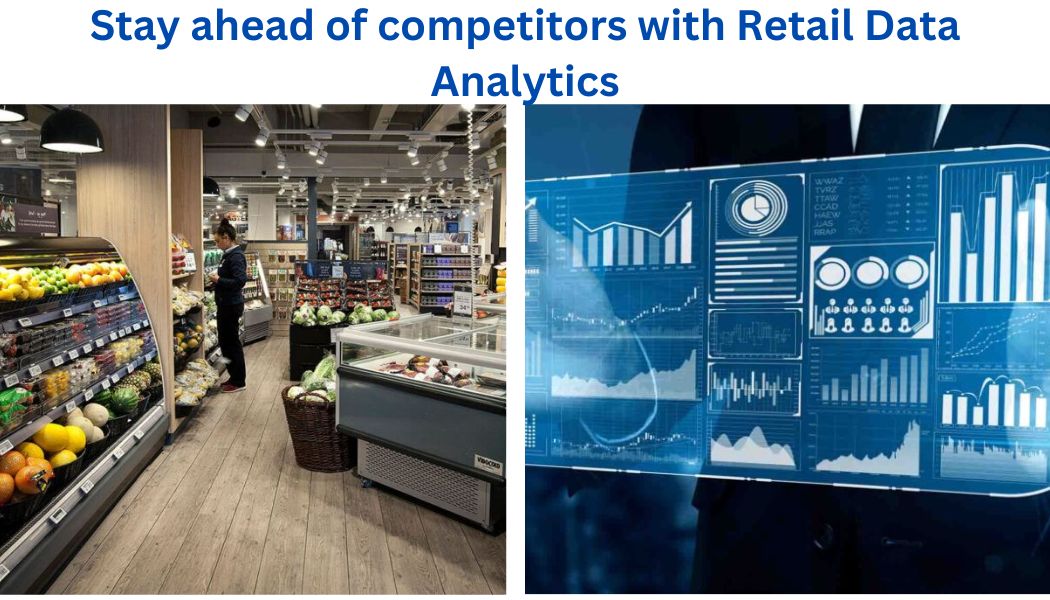
Retail Data Analytics: Real-Time Insights for Informed Decisions
The customers’ purchase pattern is very dynamic. To stay ahead of the competition, retailers require more than trends analysis; they need a data-driven approach. Retailer data analytics has emerged as the solution. In this article, I will guide you through the realm of retail data analytics, emphasizing the role of real-time information harvested from stores to drive insightful business decisions.
What is Retail Data Analytics?
Retail data analytics is the process of collecting, processing, and analyzing vast amounts of data generated within the retail ecosystem. It encompasses customer transactions, inventory levels, online interactions, sales trends, and much more. With real-time data analytics, retailers gain valuable insights to devise strategies, optimize operations, and enhance customer experiences.
Why Real-Time?
The technological advances in retail and DSD operations have open the possibility to gather real-time data from various sources, like point-of-sale systems, online platforms, foot traffic sensors, and more. This instantaneous access to data allows retailers to make timely decisions that optimizes operations and impact their bottom line and customer satisfaction.
Types of Retail Analytics
There are four types of data analytics.
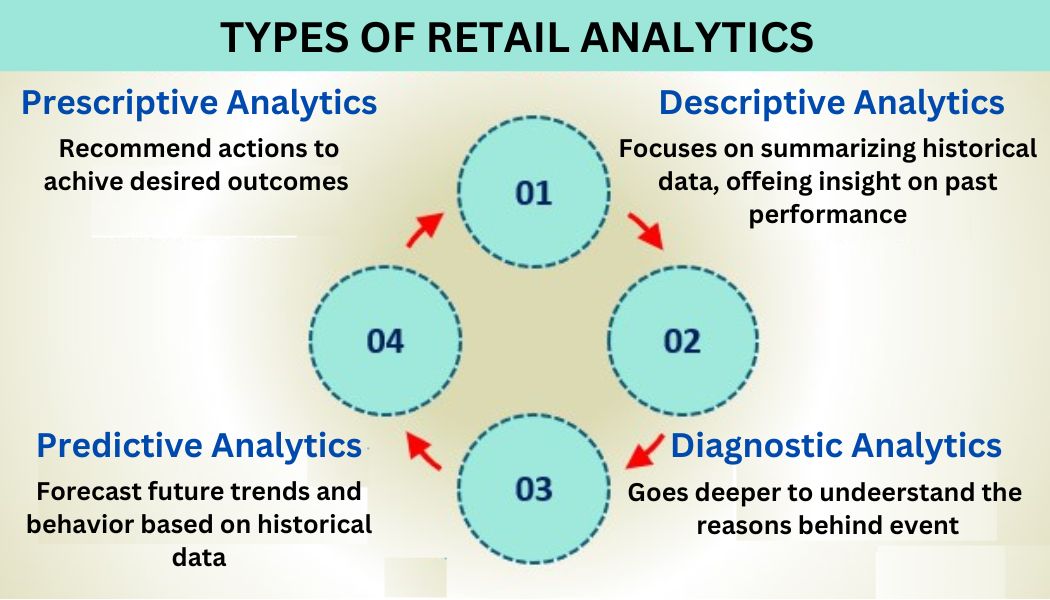
Each type of retail analytics provides distinct insights that contribute to better decision-making, improved operational efficiency, and enhanced customer experiences in the retail industry. Here are examples of the outcomes that can result from each type of retail analytics:
Descriptive Analytics: Analyzing sales data over the past year to identify seasonal trends, peak shopping periods, and products that have consistently performed well during specific months.
Diagnostic Analytics: Investigating the factors that led to a decline in customer loyalty by analyzing customer feedback, purchase history, and engagement metrics to pinpoint issues like poor customer service or product quality.
Predictive Analytics: Using historical sales data, market trends, and external factors to predict the demand for a new product that the retail store plans to launch, allowing them to adjust inventory levels and marketing strategies accordingly.
Prescriptive Analytics: Prescriptive analytics suggests the optimal quantity and timing for restocking popular items based on historical sales data, current inventory levels, and expected demand, helping the retailer avoid stockouts and excess inventory.
Benefits of Real-Time Analytics
These are some of the process improvements you can get by using retail data analytics.
Agile Inventory Management: Real-time data analytics empowers retailers to monitor inventory levels on real-time. This dynamic oversight prevents inventory issues, ensures products are available when customers want them, and minimizes storage costs.
Personalized Customer Experiences: By analyzing real-time customer data, retailers can tailor experiences and recommendations. This level of personalization fosters customer loyalty and boosts engagement.
Dynamic Pricing Strategies: Real-time pricing adjustments based on demand, competition, and market trends allow retailers to optimize revenue by offering the right price at the right time.
To Anticipate Demand: Real-time data analytics aids in predicting future trends and customer behaviors. Retailers can anticipate demand shifts and adjust strategies accordingly. DSD companies can structure the in-store sales order based on projected sales.
Operational Efficiency: By closely monitoring foot traffic and transaction patterns, retailers can allocate staff resources efficiently to ensure excellent customer service.
Conclusion
Real-time insights obtained through data analysis provide a unique edge, enabling retailers to optimize every aspect of their operations. Based on the need for retail real-time information, Deproinf developed an Android App named Mobility, based on Flutter and Firebase platforms. Mobility allows collecting real-time triggers, such as prices, participation, inventory, and photographic evidence associated with the store shelves displays and exhibition executions.
I hope this article on retail data analytics has been helpful to you. If you liked it or want to learn more about Deproinf, please subscribe to stay updated.
Subscribe to DeproinfIf you have specific needs please GIVE US YOUR INFORMATION and we will contact you as soon as possible.
